
Drapeau Français Français Drapeau UK English

The Mekong Delta

The Description

The Mekong Delta is one of the most dynamic regions in Vietnam. Located in the southern part of the country, this delta is the birthplace of the Mekong River, the tenth longest river in the world. The delta covers a vast area of over 40,000 square kilometers, and its topography is marked by a complex network of rivers, canals, swamps, and terraced rice fields.

The Mekong Delta is one of the richest freshwater ecosystems on the planet. The rivers and canals form a labyrinth that shelters diverse fauna and flora, including birds, fish, reptiles, and aquatic plants.

This region is Vietnam's rice bowl. Terraced rice fields stretch as far as the eye can see, creating a spectacular landscape of green and golden fields. Rice is the main crop, but other crops such as tropical fruits, vegetables, and flowers also thrive.
Photo

More Picture

Photo Photo Photo

The History of the Place

The Mekong Delta has a rich and fascinating history that dates back centuries. The earliest civilizations that thrived in the delta have left traces of their history dating back over 2,000 years. The Khmer and Champa populations have left remnants of temples and sculptures, bearing witness to their presence in the region.

Over the centuries, the delta has been a stage for foreign influences, including Chinese and French. These influences have left their mark on the culture and architecture of the region.

The Mekong Delta played a crucial role in the Vietnam War. The region was the scene of numerous battles and served as a base for Vietnamese forces during the conflict. Remnants of that era, including guerrilla tunnels, are now tourist attractions.

The delta is Vietnam's rice bowl, providing a significant portion of the country's rice harvests. It has played a key role in Vietnam's food security and economic growth.

Photo
Photo

Its Cultural Significance

The Mekong Delta is a region of immense cultural importance in Vietnam, characterized by its ethnic diversity, unique traditions, and a way of life intimately connected to water.

The delta is home to a variety of ethnicities, including the Kinh Vietnamese, Khmers, Chams, and other minority groups. This ethnic diversity results in a richness of traditions, languages, and customs.

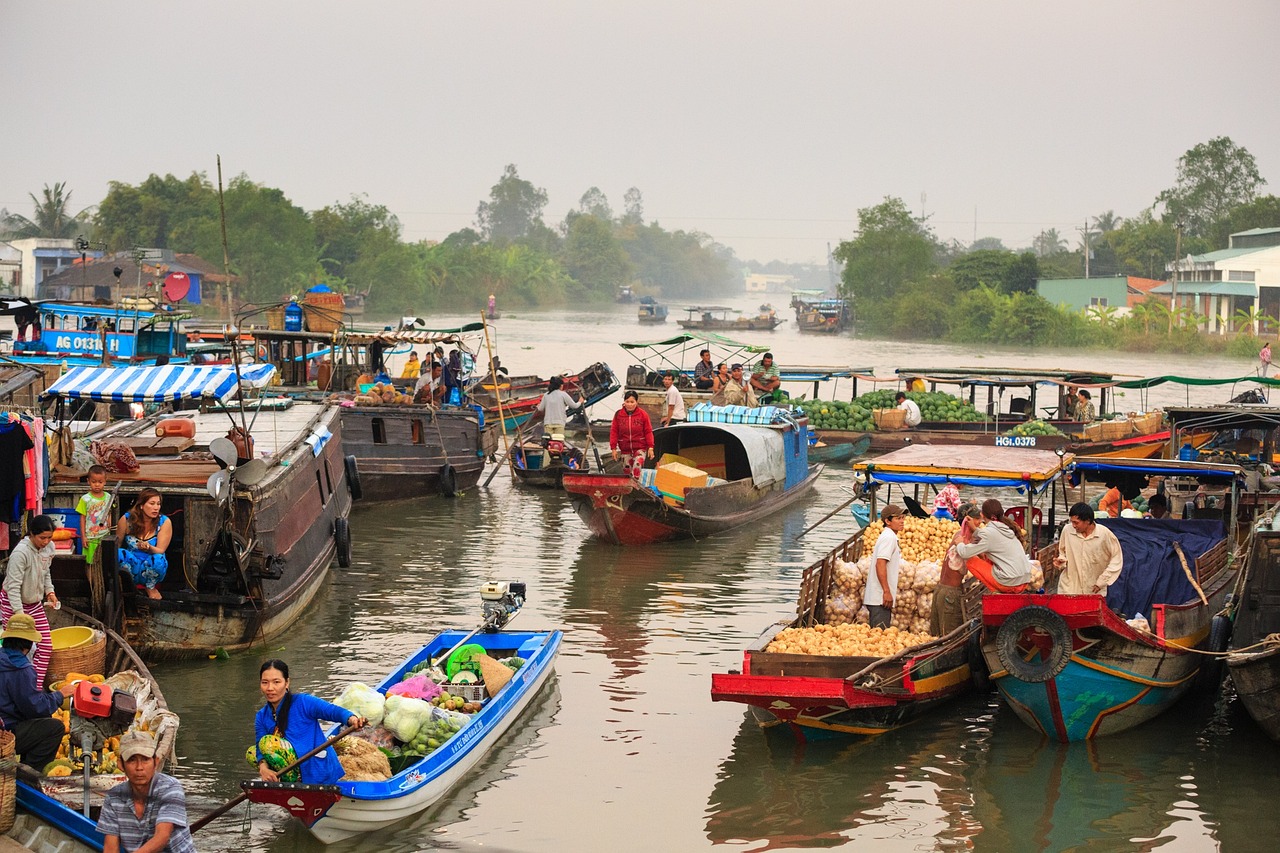
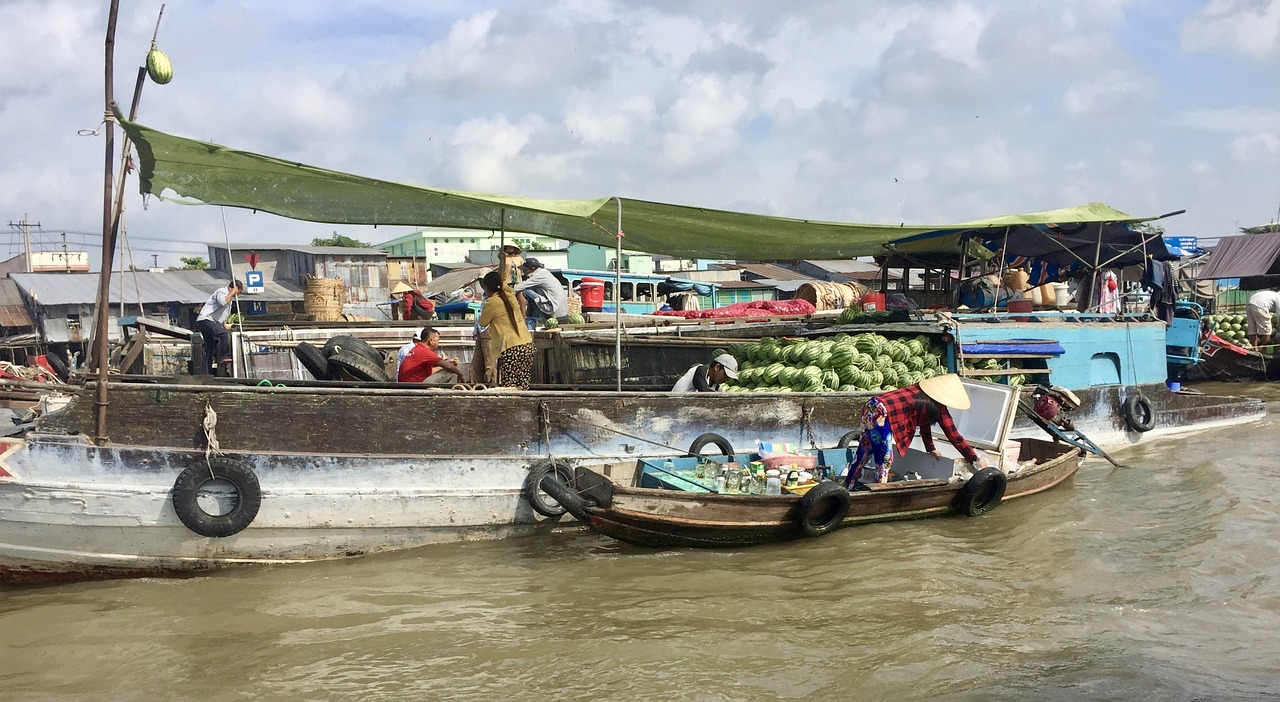
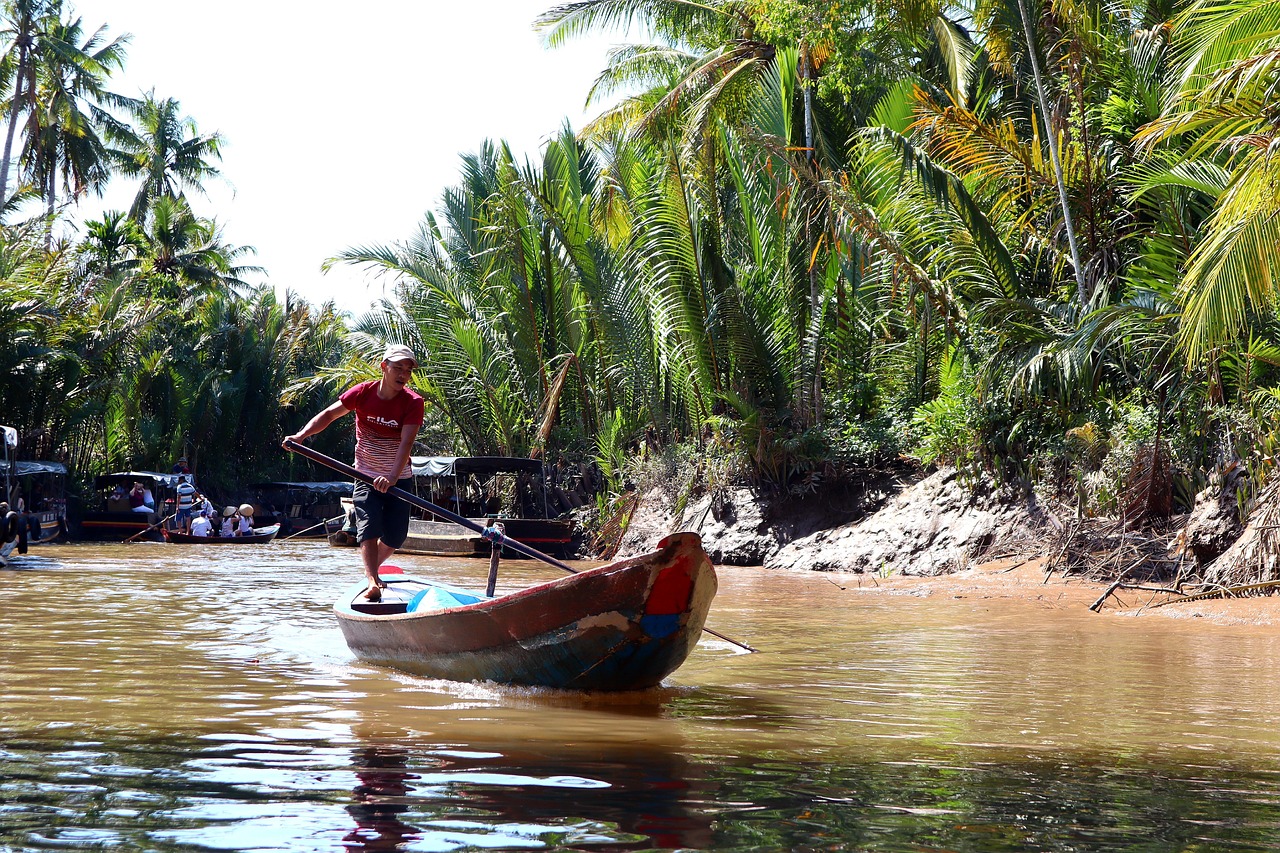
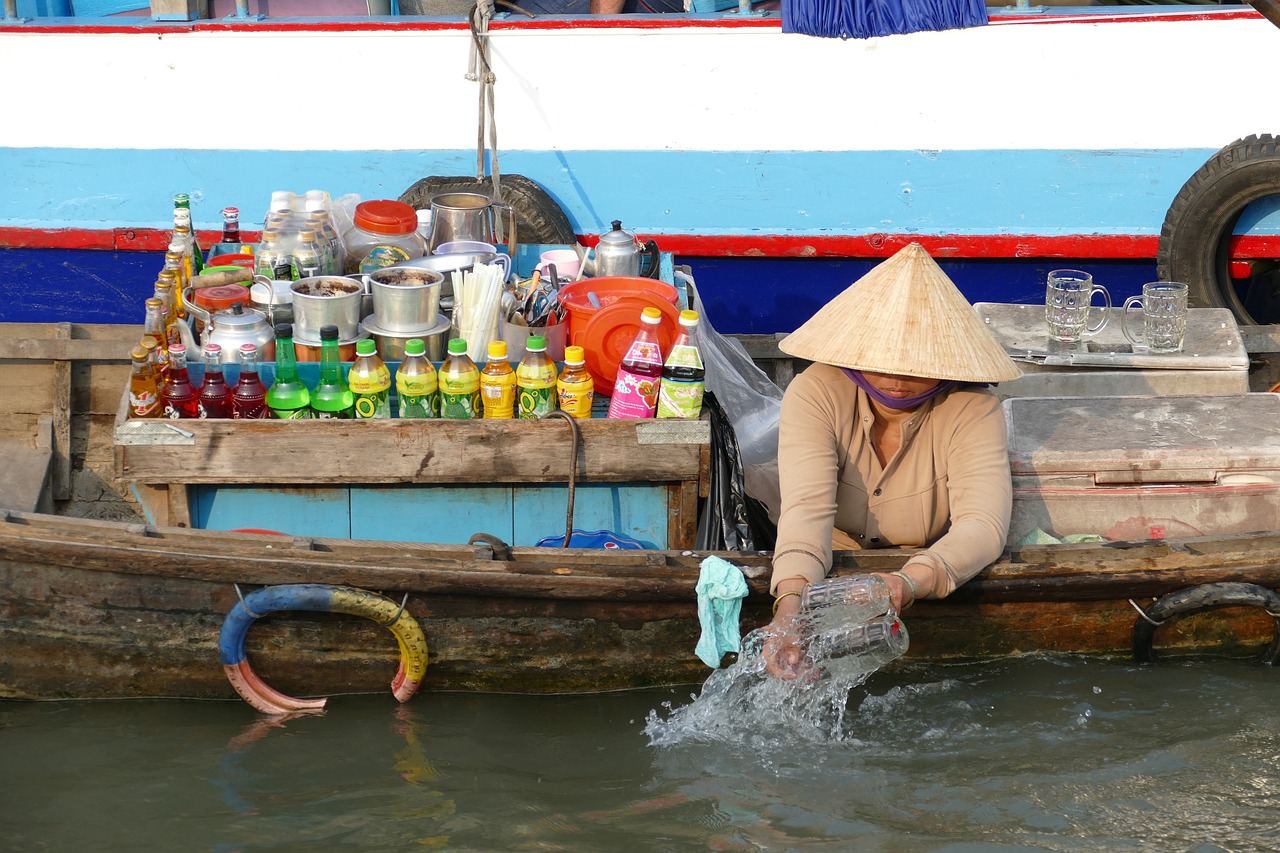
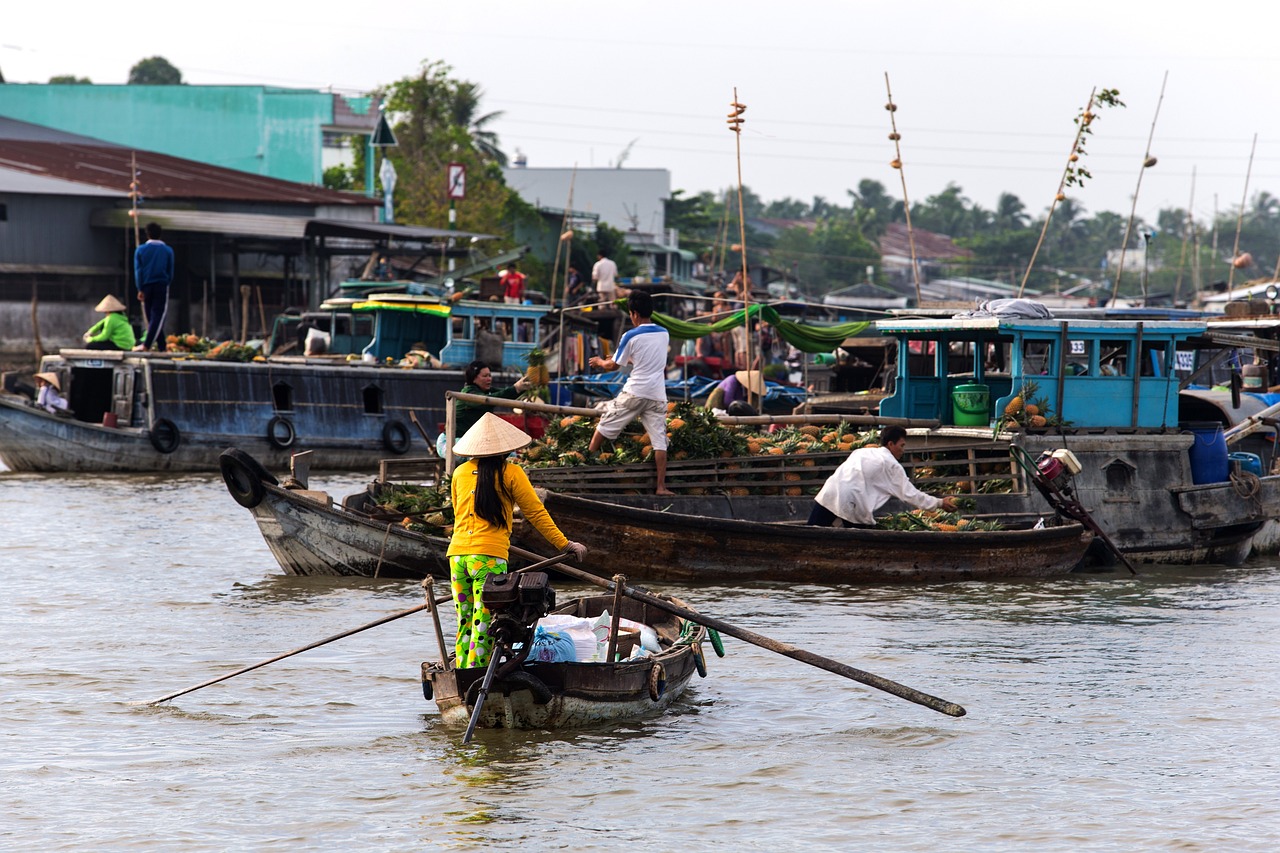
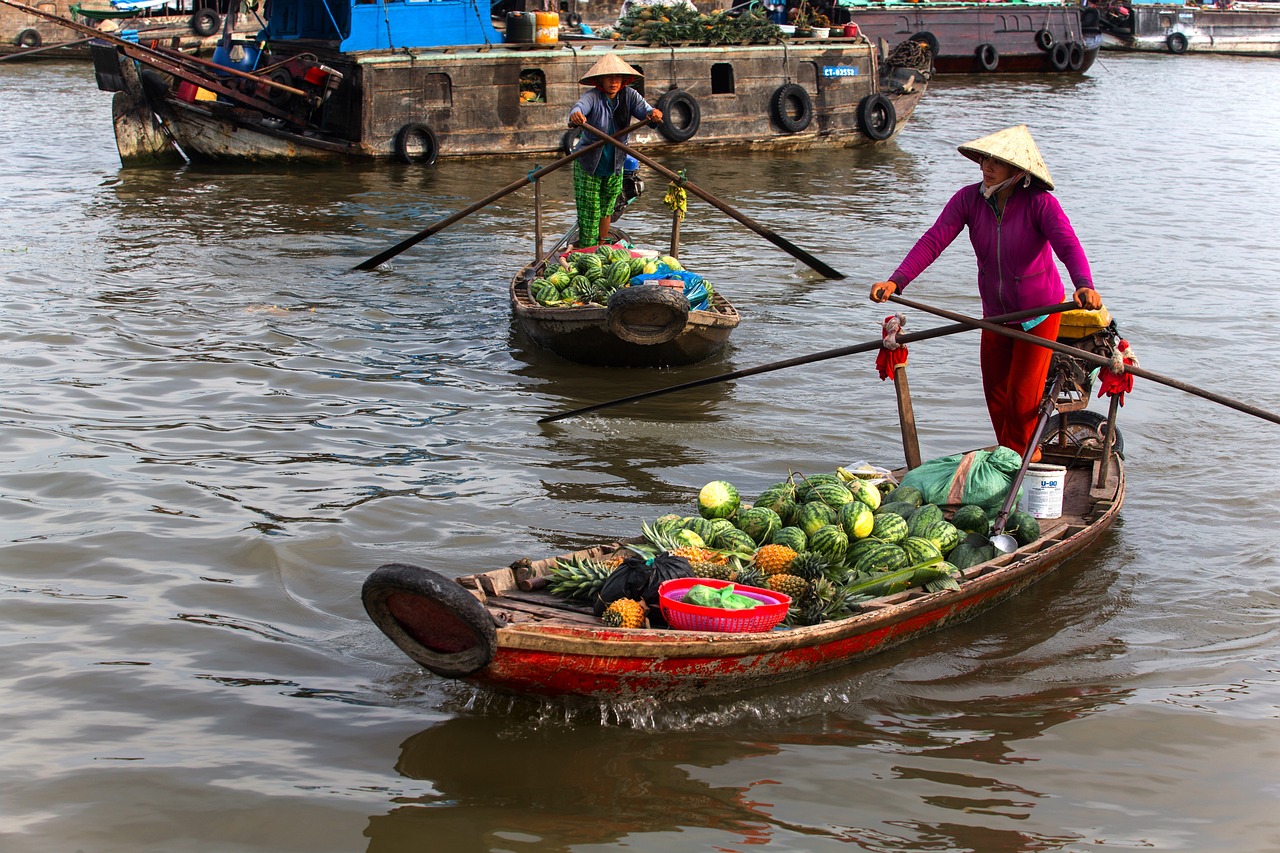
The way of life in the Mekong Delta is deeply rooted in water. Residents use boats for transportation, fishing, and cultivating their crops. Floating markets, where goods are exchanged on watercraft, are an iconic cultural element of the region.

The Culinary Art of the Region

One of the most iconic traditional dishes of the Mekong Delta region is "Cá Kho Tộ," also known as caramel braised fish.

This delicious dish embodies the flavor and culinary richness of the region. To prepare Cá Kho Tộ, fresh fish, typically catfish, is cut into pieces and marinated in a sauce made from caramel, fish sauce, sugar, garlic, ginger, and pepper.

The fish pieces are then slowly braised until they become tender and infused with the sweet-savory flavor of caramel.

The dish is usually served with steamed rice, creating a perfect harmony of textures and flavors. Cá Kho Tộ is a culinary specialty appreciated for its balance between sweet and savory, making it a must-try for Vietnamese cuisine enthusiasts eager to taste the authentic flavors of the Mekong Delta region.

Photo